Home / Car Insurance / Articles / Things to Know Regarding a Liability-only Car Insurance Policy
Things to Know Regarding a Liability-only Car Insurance Policy
Team AckoSept 8, 2026
Share Post
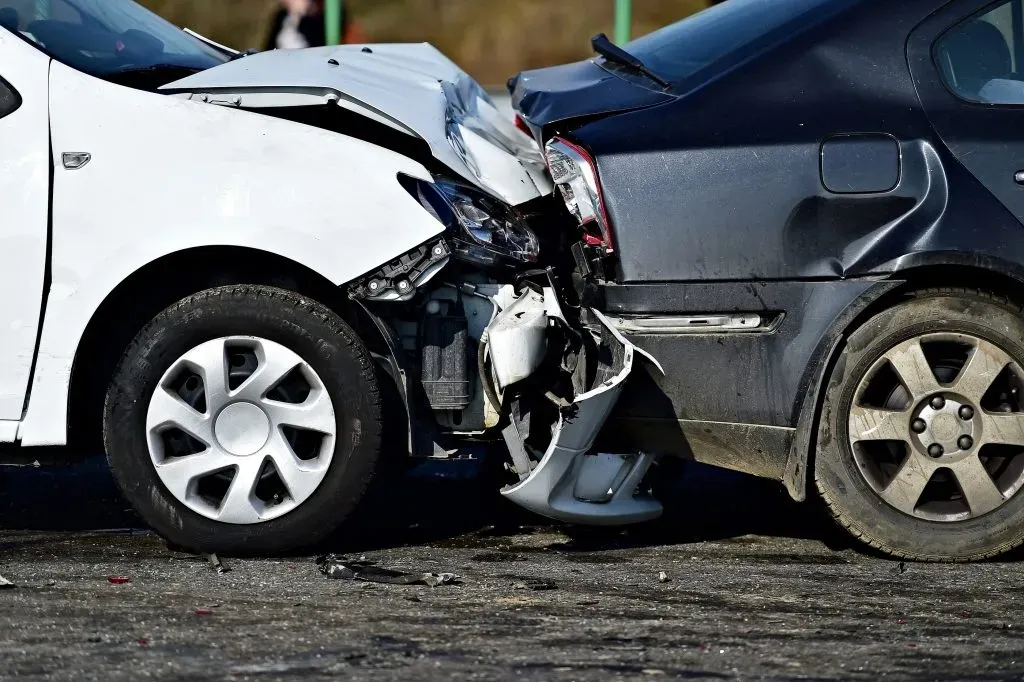
A liability-only car insurance policy or third-party insurance is a vehicle insurance that primarily covers any damages or injuries caused to a third party by your vehicle. Among the different types of car insurance policies, a liability-only policy is the most basic and mandatory form of coverage.
It protects:
Other people (third parties)
Their belongings
Legal consequences of accidents
Contents

- Why is Liability-Only Insurance Mandatory in India?
- What does Liability-Only Insurance Cover?
- What is Not Covered Under a Liability-Only Car Insurance Policy?
- Benefits of Liability-Only Car Insurance
- How Much Does Liability-Only Car Insurance Cost in India?
- Who Should Consider Liability-Only Car Insurance?
- Liability-Only Insurance vs Comprehensive Car Insurance
- How to Buy Liability-Only Car Insurance from ACKO
- Conclusion
Why is Liability-Only Insurance Mandatory in India?
As per the Motor Vehicles Act, 1988, it is mandatory for any vehicle driven on Indian roads to have a third-party insurance policy. This insurance covers legal liability or damage that is caused to any third-party property or person other than the insured due to the fault of the owner of the car.
When one buys car insurance online, they comply with the law and avoid legal liabilities. The insurance company covers the car owner if any legal liability arises because of damage or injury to a third party. There are three parties involved in a third-party car insurance policy. The three parties involved are:
First party, which is the insured person.
Second Party is the insurance company
Third Party is any other person affected by the vehicle
What does Liability-Only Insurance Cover?
Choosing a liability-only car insurance policy is one of the most affordable ways to insure your car. With a liability-only car insurance, you are protected against the financial consequences of the damage that you cause to third parties or their property. It is important that the owner-driver purchases own damage cover as well to protect against damages to own vehicle.
1. Third-Party Injury or Death Benefit
Suppose your vehicle is involved in an accident, and a third-party person is affected. Your liability policy will cover the following:
Hospitalisation and medical expenses
Loss of life or permanent disability compensation
Legal expenses in case of litigation
Also, the compensation amounts for injury or death are decided by the Motor Accident Claims Tribunal (MACT) and are generally not fixed
2. Damage to Third-Party Property
If your vehicle causes damage to third-party property like another vehicle, a house, or other structures, your insurance will pay for the damages.
Typically, the liability cover for third-party damages is limited to ₹7.5 lakh, but it can vary with the policy.
3. Owner-Driver Personal Accident Cover
A liability-only policy also includes a compulsory personal accident policy for the owner-driver, with a standard limit of ₹15 lakh.
It offers financial help in situations of:
Death
Permanent disability
Resulting from accidents while driving the insured vehicle.
Such liability-based policies are essential not only for third-party coverage but also for the owner-driver's coverage.
What is Not Covered Under a Liability-Only Car Insurance Policy?
Car insurance that only provides liability coverage is quite restrictive and does not include protection for various risks. The main exclusions are:
Damage to one's own vehicle- No coverage for any repair work or loss of one's own car.
Theft or total loss - It does not pay for the car if it is stolen or written off.
Driver-related injuries - The driver's injuries are not insured unless the policy is accompanied by a personal accident (PA) cover.
Mechanical or electrical breakdowns- Neglect or internal problems are not covered.
Driving without a valid licence - If the driver is not legally licensed, the insurer may refuse the claim.
Driving under the influence - If an accident is caused by drinking or drugs, it is not covered.
Indirect or consequential losses- Secondary damages resulting from the accident are not insured.
War or nuclear risks- Damages resulting from war, riots, or nuclear disasters are excluded.
Comprehensive car insurance or own damage cover with the necessary add-ons are the best options to give you broader protection against these uninsurable risks.
Benefits of Liability-Only Car Insurance
Below are the benefits of choosing liability-only car insurance.
Legal Compliance : You cannot legally drive your car in India and avoid penalties without a liability-only policy since the Motor Vehicles Act makes it mandatory.
Cheaper Premium : The premium will be much less than that of a comprehensive insurance policy as it only covers third party liabilities, which will also make it very affordable.
Financial Security Against Third-Party Claims: It protects you from incurring large expenses if you injure, kill or damage the property of another person in an accident.
Simple and Regulated Pricing: Regulators decide the premium rates, which makes the prices of different insurance companies transparent and consistent.
How Much Does Liability-Only Car Insurance Cost in India?
Third-party car insurance does not have the luxury of changing the price according to the plan, unlike comprehensive plans. The rate is fixed by the Insurance Regulatory and Development Authority of India (IRDAI) and the main factor used for pricing is the car's engine size so as to keep the same price for all insurers.
Usually, the yearly premium is divided as follows:
Compact cars (maximum 1000 cc): Approximately ₹2, 094 a year
Medium cars (1000 cc to 1500 cc): Approximately ₹3, 416 a year
Large cars (above 1500 cc): Approximately ₹7, 897 a year
As these premiums are under the government regulation, they will be the same for all insurance companies. In any case, since the IRDAI periodically may make changes, you should always look for the latest tariffs in case you want to buy or renew your policy.
Who Should Consider Liability-Only Car Insurance?
Third-party insurance is a must for all vehicles in India. However, for some types of car owners, a liability-only plan can be a very practical option.
Car Owners with Older Models: In case your car's value has fallen drastically, buying a comprehensive plan might not be advisable. A liability-only plan will allow you to meet the legal requirements without spending much.
Budget-Focused Buyers : These are perfect for those who want to comply with legal requirements that cost them the least amount possible and do not want to go for any additional cover.
Commercial Vehicle Owners: Besides many commercial vehicle owners choosing basic third-party insurance to fulfill their mandatory requirements, managing multiple vehicles can be one of their reasons.
People Going to Sell or Scrap Their Car : If you are willing to sell or scrap your vehicle shortly, a liability-only policy is a temporary and cost-effective option.
Liability-Only Insurance vs Comprehensive Car Insurance
Liability-only and comprehensive car insurance are actually two quite different things. Here is a simple breakdown for you to easily find out which type corresponds to your situation:
How to Buy Liability-Only Car Insurance from ACKO
The quickest way to buy liability-only (third-party) car insurance from ACKO is to do it completely online. The entire process will take you only a few minutes if you follow the steps given below:
Step-by-Step Process
Visit ACKO Website or App: To begin, either go to the ACKO website or download the mobile app.
Enter Vehicle Details: Simply enter your car's registration number, and the details will be fetched automatically. Alternatively, you can enter the vehicle information manually.
Check and Verify Details: Cross-check your car details and, if any, provide information about your prior insurance policy.
Enter Contact Information: To get going, input your mobile number and location details such as postal code.
View Available Plans: When you click on "View Plans", you will see the selection of liability-only (third-party) insurance.
Make Payment: After making the payment online, you will receive the policy immediately without the need for any documentation.
Conclusion
Liability-only car insurance covers third-party liabilities and damages only and is simply meant to keep you legally compliant while protecting others in case of an accident. This type of protection is the safest way to go for older cars, drivers who only use the car once in a while, or people who want the cheapest option to be totally covered (but remember, it is a bit limited).
But, if you are looking for the complete financial protection against the mishaps or bad luck that life throws at your car (accidents, theft, natural disasters), then it is best if you upgrade your liability insurance to a comprehensive package.
| Disclaimer: The content on this page is generic and shared only for informational and explanatory purposes. It is based on industry experience and several secondary sources on the internet; and is subject to changes. Please go through the applicable policy wordings for updated ACKO-centric content and before making any insurance-related decisions. |
Explore More:
More articles on car insurance

Explore more on car insurance

Was this article helpful?

Recent
Articles
No Insurance, No Fuel: What the Supreme Court's Pilot Means
Nikhila PS Aug 6, 2026
Supreme Court Extends Third-Party Insurance for New Cars to Four Years
Nikhila PS Aug 6, 2026
Do ADAS Features Reduce Car Insurance Premiums in India?
Nikhila PS Jun 25, 2026
How Do BS6 Bikes Affect Bike Insurance Premiums and Coverage?
Nikhila PS Jun 25, 2026
Top 15 Car Companies in India in 2026
Nikhila PS Jun 25, 2026
All Articles


Want to post any comments?

ACKO Car insurance price starting at just ₹2,094*
Buy or Renew Insurance Online in 2 Minutes ⚡️
UID: 6274 | **T&Cs Apply

Getting a brand new car?
Save up to ₹40,000* on your insurance
UID: 6274 | **T&Cs Apply

Check prices


#36/5, Hustlehub One East, Somasandrapalya 27th Main Rd, Sector 2, HSR Layout, Bengaluru, Karnataka 560102