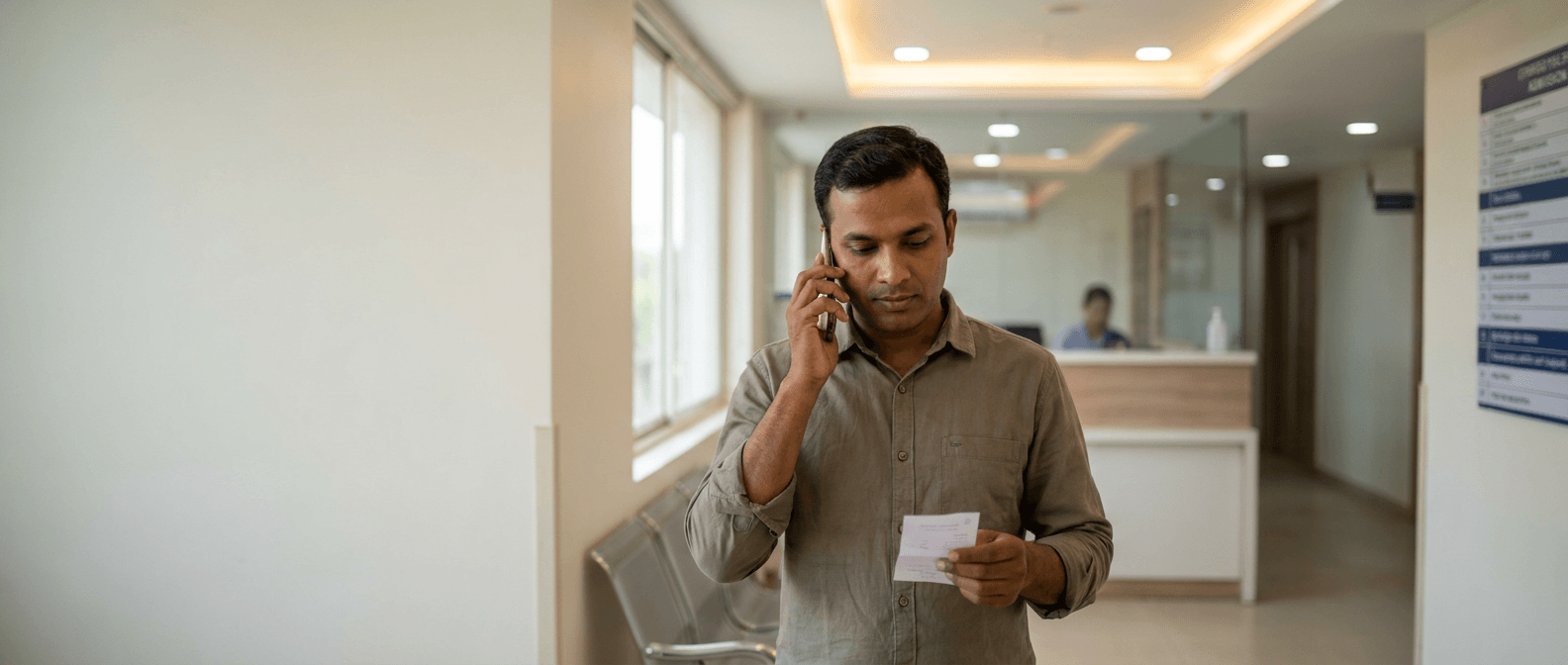
Initial approval, also known as pre-authorisation, is the insurer's first approval for a treatment or hospitalisation. It confirms that the insurer has reviewed the request and allows the hospital to start the cashless claim process.
This article explains how initial claim approval works, the necessary documents, the time required for the procedure, interim and final approval, as well as what to do if a partial claim is approved.
What is the process of initial approval in health insurance?
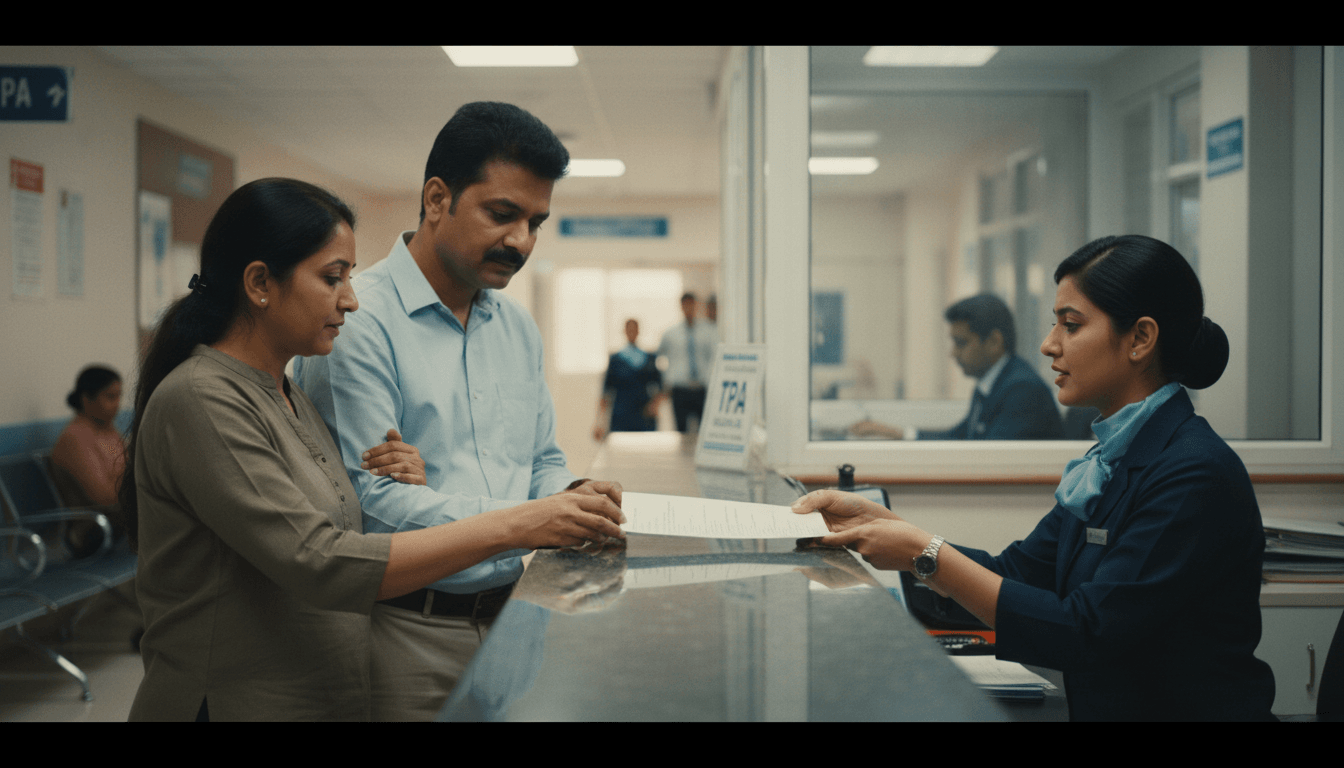
The health insurance approval process is organised and mostly handled by the hospital. The hospital insurance department completes a pre-authorisation form, which they send to your health insurance firm or their TPA (agent of the insurance firm handling your claim).
The health insurance firm will evaluate your medical file and policy details and approve you in a few hours for planned admissions and 24 hours for emergencies.
What documents are required for initial approval in health insurance?
Initial health insurance approval needs only a few documents. The main ones are:
Health insurance card or policy number
A valid photo ID (such as Aadhaar card, PAN card, passport, or driving licence)
Doctor's consultation records or admission advice
Form for pre-authorisation request signed by the hospital
Any other supporting medical document or prescription
In case of planned hospitalisation, it is always better to give all the documents a few days before the admission date. In case of emergencies, the hospital can provide all the documents on behalf of the insured after the admission date. Keep in mind that providing complete and accurate documents can help speed up the approval process.
Why is the initial approval amount lower in health insurance?
The approval amount is lower in health insurance because the insurer initially clears only a safe, estimated figure. The real cost can change once treatment begins, for example, if you need the ICU or an extra day in the hospital. So, the insurer approves a part now and adds more later, rather than approving the full amount on day one.
As a simple example, on a planned surgery quoted at Rs 2 lakh, the insurer may clear around Rs 50,000 to start. This is normal, and the rest comes through later.
What is interim approval in cashless health insurance?
Interim approval in cashless health insurance is the additional money that your insurer approves in the middle of the treatment. If hospital expenses are expected to exceed the initially approved amount, the hospital may submit a request for an increased approval limit, along with updated medical details and cost estimates.
The insurance company evaluates the request and may approve more if the expenses are covered by the plan. The process can be repeated several times.
What is final approval in health insurance?
Final approval in health insurance is the insurer's last decision on your claim, and it happens at discharge. Initial approval lets your treatment begin, while final approval decides the actual amount the insurer pays the hospital. The table below shows the main differences:
Point | Initial approval | Final approval |
|---|---|---|
When it happens | Before or at admission | At the time of discharge |
Amount | A part of the estimated cost | Fully covered figure |
What it means | Treatment can begin | The claim is settled |
Money paid | No money moves yet | The hospital is paid directly |
Does interim approval guarantee a full health insurance claim?
No, an interim or initial approval (pre-authorisation) does not guarantee a full claim payout. It only permits treatment to begin.
Non-Medical Items: Interim approval is always based on the eligible medical expenses. Gloves, gowns, toiletries, and administrative fees are usually not included in most health insurance policies' payouts.
Sub-Limits and Deductibles: Your policy may include sub-limits on certain items, such as room rent and treatment procedures.
Discrepancies in the Final Bill: Insurance companies compare the final procedure performed by the hospital with the initial diagnosis and approved treatment plan.
Steps to take if you receive a partial health insurance approval
Send a request for a revised bill from the hospital. The insurance desk may request an interim approval as you incur additional expenses due to the ongoing health problem(s).
Keep every document. Bills, prescriptions, and reports help the insurer clear more of the cost.
Look at what is being deducted. Non-medical items and room-rent limits in health insurance are your share of the payment.
Key takeaways
The insurer initially approves a smaller amount and gradually increases the approval as medical bills start coming through.
Initial approval is the insurer's first approval for your treatment. It allows cashless treatment to begin, but does not represent the final claim payout.
Deductions can still reduce the final payout. Expenses not covered by your health insurance plan can affect your final payment, such as those that are non-medical or exceed the limit set for room rent.
Upon discharge, your health insurance pays the verified covered amount directly to the hospital. The bills that are not covered by your health insurance should be paid by you prior to discharge.
Frequently asked questions
Hospitals generally collect some deposits upon admission to make up for expenses that will not be covered by your health plan, such as registration charges. These deposits are usually returned to you or adjusted on your end of the bill payment at discharge.
Yes, since the initial approval amount depends on the estimated cost of treatment during the submission of the request. In case your treatment turns out to be more complex and requires additional procedures, the hospital may request interim approval for a larger amount.
Cashless initial approval works only at hospitals in your insurer's network. At a non-network hospital, you usually pay upfront and get reimbursed later.
For a scheduled admission, initial approval typically takes two to three hours from the time the hospital submits the approval request. In case of emergencies, hospitals can apply even after admission, and approval would take slightly more time.
About the authors

Neviya Laishram
Written by · Senior Editor – Health, Life and Group Health Insurance Content at ACKOWith a journalism background, she brings 9 years of experience in strategising and editing health, life, and group health insurance content. Having written for magazines and digital publications, she combines research and editorial expertise to create credible, useful content for readers.

Dr Nitin Kumar Gupta
Reviewed by · SVP – Health Underwriting & Claims at ACKO General InsuranceWith 20+ years of experience in digital transformation and growth, he is a leader specialising in health, life, accident, and disability insurance. Backed by an MBBS degree and insurance designations (FLMI, FALU, FLHC, ACS, ARA), he combines expertise with leadership.